Comprehensive Guide to Roof Repair and Maintenance

Maintaining a roof is essential for the longevity of your home. A well-maintained roof protects your family and belongings from the elements, enhances your home's curb appeal, and can even save you money on energy bills. In this comprehensive guide, we will explore the various aspects of roof repair and maintenance, providing you with practical tips and insights to keep your roof in top condition.

Understanding Your Roof
Types of Roofs
Before diving into maintenance and repair, it's important to understand the different types of roofs. Each type has its own unique characteristics and maintenance needs:
Asphalt Shingles: The most common roofing material in North America, known for its affordability and ease of installation.
Metal Roofing: Durable and energy-efficient, metal roofs can last up to 50 years with proper maintenance.
Tile Roofing: Often found in warmer climates, tile roofs are aesthetically pleasing but can be heavy and require additional support.
Flat Roofing: Common in commercial buildings, flat roofs require regular maintenance to prevent water pooling.
Common Roof Problems
Understanding common roof problems can help you identify issues early and prevent costly repairs. Here are some typical issues to watch for:
Leaks: Often caused by damaged shingles or flashing, leaks can lead to significant water damage if not addressed promptly.
Missing Shingles: High winds or severe weather can dislodge shingles, leaving your roof vulnerable.
Moss and Algae Growth: These can trap moisture and lead to decay, especially on shaded roofs.
Punctures and Tears: Common in flat roofs, punctures can occur from debris or foot traffic.
Regular Maintenance
Inspecting Your Roof
Regular inspections are crucial for identifying potential problems before they escalate. Here’s how to conduct a thorough inspection:
Safety First: Always prioritize safety. Use a sturdy ladder and consider wearing a safety harness.
Visual Inspection: Look for missing or damaged shingles, rust on metal roofs, and signs of moss or algae.
Check Flashing: Inspect the flashing around chimneys, vents, and skylights for any signs of damage or wear.
Gutters and Downspouts: Ensure gutters are clear of debris to prevent water backup that can damage your roof.
Cleaning Your Roof
Keeping your roof clean is essential for its longevity. Here are some cleaning tips:
Remove Debris: Regularly clear leaves, branches, and other debris from your roof and gutters.
Moss and Algae Treatment: Use a mixture of water and bleach to treat moss and algae. Apply it with a spray bottle and rinse thoroughly.
Professional Cleaning: Consider hiring a professional for a deep clean, especially for steep or high roofs.
Repairing Your Roof
DIY Repairs
Some minor repairs can be done by homeowners. Here’s a quick guide:
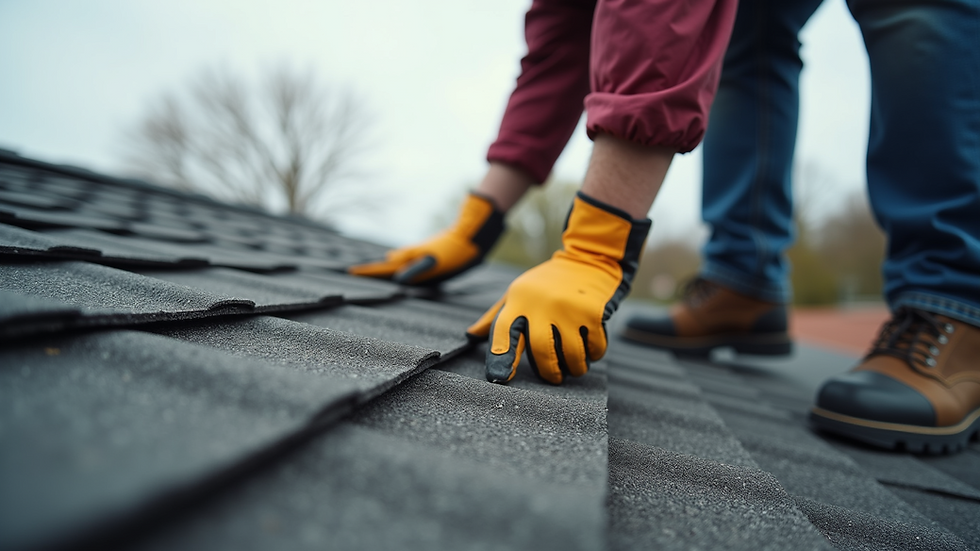
Replacing Shingles: If you find missing or damaged shingles, replace them promptly. Lift the surrounding shingles, remove the damaged one, and secure a new shingle in place.
Fixing Leaks: For small leaks, apply roofing cement to the affected area. For larger leaks, you may need to replace the damaged section of the roof.
When to Call a Professional
While DIY repairs can save money, some situations require professional help. Consider calling a roofing contractor if:
The damage is extensive or involves structural issues.
You are uncomfortable working at heights.
You need a roof inspection after severe weather.
Seasonal Maintenance Tips
Spring Maintenance
Spring is an ideal time for roof maintenance. Here are some tasks to prioritize:
Inspect for Winter Damage: Check for any damage caused by snow or ice during the winter months.
Clean Gutters: Ensure gutters are clear to handle spring rains effectively.
Summer Maintenance
In the summer, focus on preventing heat-related damage:
Check for Heat Damage: Inspect for curling or buckling shingles caused by extreme heat.
Trim Overhanging Branches: Keep trees trimmed to prevent branches from damaging your roof.
Fall Maintenance
As leaves begin to fall, take these steps:
Clear Debris: Regularly remove leaves and debris from your roof and gutters.
Inspect for Winter Readiness: Ensure your roof is ready for winter by checking for any weak spots.
Winter Maintenance
During winter, focus on preventing ice dams:
Insulate Attics: Proper insulation helps prevent heat loss, reducing the risk of ice dams.
Remove Snow: If snow accumulates, carefully remove it to prevent excess weight on your roof.
Cost of Roof Repair and Maintenance
Understanding the costs associated with roof repair and maintenance can help you budget effectively. Here are some average costs:
Roof Inspection: $100 - $300
Shingle Replacement: $100 - $300 per shingle
Professional Cleaning: $300 - $600
Full Roof Replacement: $5,000 - $15,000 depending on size and materials
Conclusion
Maintaining your roof is crucial for protecting your home and ensuring its longevity. By understanding your roof type, conducting regular inspections, and addressing repairs promptly, you can avoid costly issues down the line. Remember, when in doubt, don’t hesitate to call a professional. Your roof is one of the most important components of your home, and taking care of it will pay off in the long run.
Take action today by scheduling your roof inspection and ensuring your home remains safe and secure for years to come.

Comments