Expert Roof Inspections: No Obligation, Just Insight

When it comes to maintaining your home, the roof is often the most overlooked component. Yet, it plays a crucial role in protecting your property from the elements. A well-maintained roof not only enhances the aesthetic appeal of your home but also contributes to its overall value. This is where expert roof inspections come into play. They provide homeowners with valuable insights into the condition of their roofs without any obligation to commit to repairs or services.
In this blog post, we will explore the importance of roof inspections, what to expect during the process, and how to choose the right professional for the job. By the end, you will understand why investing in a roof inspection is a smart decision for any homeowner.
Why Roof Inspections Matter
Roof inspections are essential for several reasons:
Preventative Maintenance: Regular inspections can identify potential issues before they escalate into costly repairs. For example, a small leak can lead to significant water damage if not addressed promptly.
Safety: A compromised roof can pose safety risks to your family. Loose shingles or structural weaknesses can lead to accidents or injuries.
Insurance Requirements: Some insurance companies require regular roof inspections to maintain coverage. Failing to comply could result in denied claims.
Increased Property Value: A well-maintained roof can enhance your home's value. Potential buyers are more likely to be interested in a property with a solid roof.
What to Expect During a Roof Inspection
Understanding what happens during a roof inspection can help alleviate any concerns you may have. Here’s a breakdown of the typical process:
Initial Consultation: The inspector will discuss your concerns and any visible issues you may have noticed. This conversation helps them focus on specific areas during the inspection.
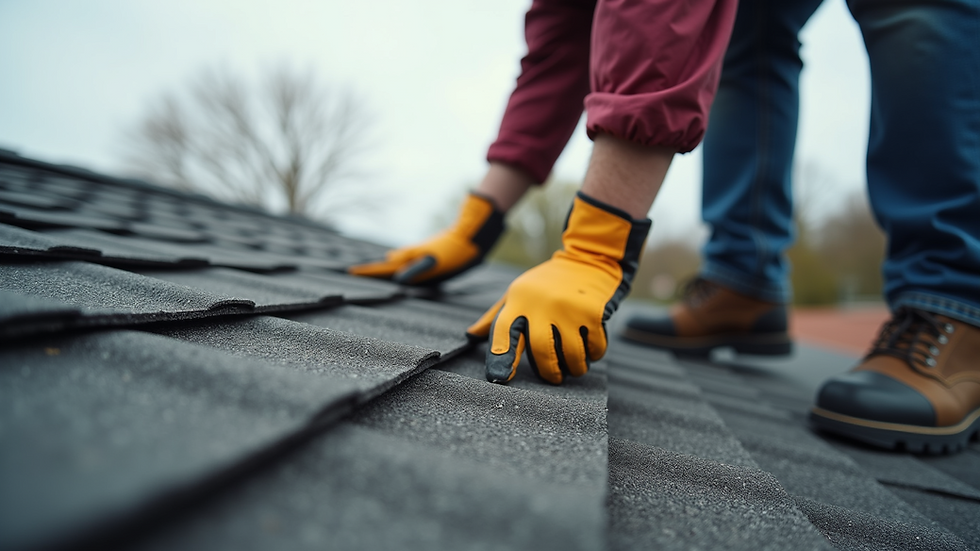
Exterior Inspection: The inspector will examine the roof from the outside, looking for signs of damage such as missing shingles, cracks, or rusted flashing. They may use binoculars or drones for a closer look.
Interior Inspection: The inspector will also check the interior of your home, particularly the attic, for signs of water damage, mold, or structural issues. This step is crucial for identifying problems that may not be visible from the outside.
Detailed Report: After the inspection, you will receive a detailed report outlining the findings, including any recommended repairs or maintenance. This report serves as a valuable resource for future reference.
No Obligation: Remember, a professional roof inspection comes with no obligation to proceed with repairs. You can take your time to consider your options.
Choosing the Right Professional for Your Roof Inspection
Selecting the right professional for your roof inspection is crucial. Here are some tips to help you make an informed decision:
Check Credentials: Ensure the inspector is licensed and insured. This protects you from liability in case of accidents during the inspection.
Read Reviews: Look for online reviews and testimonials from previous clients. A reputable inspector will have positive feedback and a solid reputation in the community.
Ask for References: Don’t hesitate to ask for references from past clients. Speaking directly with others can provide insight into the inspector's reliability and thoroughness.
Get Multiple Quotes: It’s wise to obtain quotes from several inspectors. This will give you a better understanding of the market rate and help you avoid overpaying.
Inquire About Experience: Ask about the inspector's experience and expertise. A seasoned professional will be more adept at identifying potential issues.
Common Roof Problems Identified During Inspections
During a roof inspection, several common issues may be identified. Understanding these problems can help you take proactive measures to address them:
Missing or Damaged Shingles: Shingles can become loose or break due to weather conditions. Missing shingles can expose your roof to leaks.
Flashing Issues: Flashing is the material used to direct water away from critical areas of the roof. Damaged or improperly installed flashing can lead to leaks.
Gutter Problems: Clogged or damaged gutters can cause water to pool on the roof, leading to deterioration over time.
Moss and Algae Growth: While not always a structural issue, moss and algae can trap moisture and lead to shingle damage.
Structural Damage: In some cases, the inspector may discover more serious issues, such as sagging or rotting wood, which require immediate attention.
The Cost of Roof Inspections
The cost of a roof inspection can vary based on several factors, including the size of your home, the complexity of the roof, and the inspector's experience. On average, homeowners can expect to pay between $200 and $500 for a thorough inspection. While this may seem like an expense, consider it an investment in the longevity of your home.
Factors Influencing Cost
Roof Size: Larger roofs will typically cost more to inspect due to the increased time and effort required.
Roof Type: Different roofing materials may require specialized knowledge, which can affect the cost.
Location: Prices can vary by region, so it’s essential to research local rates.
How Often Should You Schedule a Roof Inspection?
The frequency of roof inspections depends on several factors, including the age of your roof, local weather conditions, and any previous issues. Here are some general guidelines:
Every 1-3 Years: For most homeowners, scheduling an inspection every one to three years is advisable. This allows for early detection of potential problems.
After Severe Weather: If your area experiences severe storms, high winds, or heavy snowfall, it’s wise to have your roof inspected afterward.
Before Buying or Selling a Home: If you are in the process of buying or selling a home, a roof inspection can provide valuable insights and help negotiate repairs.
The Benefits of No Obligation Inspections
One of the most significant advantages of expert roof inspections is the no obligation aspect. Here’s why this is beneficial:
Peace of Mind: Knowing the condition of your roof can provide peace of mind, especially if you are considering selling your home or if you have concerns about its integrity.
Informed Decisions: With a detailed report, you can make informed decisions about repairs or maintenance without feeling pressured to commit immediately.
Budget Planning: Understanding the condition of your roof allows you to budget for any necessary repairs or replacements over time.
Conclusion
Investing in expert roof inspections is a proactive step every homeowner should consider. With no obligation, you gain valuable insights into the condition of your roof, allowing you to make informed decisions about maintenance and repairs. By choosing the right professional and understanding what to expect during the inspection process, you can ensure your home remains safe and secure for years to come.
Take the first step today by scheduling a roof inspection. Your home deserves the best protection, and a well-maintained roof is the foundation of that security.


Comments